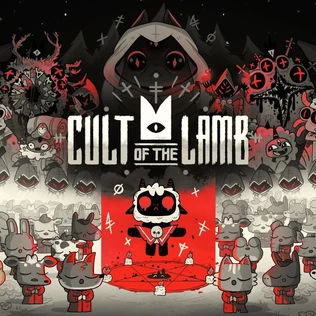
The Dark Lands
A twisted reflection of paradise where faith is weaponized against the innocent.
The Dark Lands represent a corrupted reflection of the world once known to the Lamb, twisted by the influence of the False Prophet and his followers. This hostile expanse serves as the primary dungeon setting where the protagonist must venture beyond the safety of their Sanctuary to confront the source of the corruption. While the Sanctuary offers peace and growth, these lands are defined by decay and spiritual pollution. The Lamb is compelled to traverse this fractured reality to dismantle the cult's power structure, liberate trapped souls, and ultimately challenge the False Prophet at the heart of his stronghold.
- Region Type
- Corrupted Realm
- Ruler
- The False Prophet
- Inhabitants
- Cultists and Corrupted Wildlife
- Status
- Active Threat
- Relation to Sanctuary
- Hostile Exterior
- Key Feature
- Twisted Biomes
Lore & Background
In the beginning, the world was vibrant and full of life, but the rise of a false deity brought shadow over the land. The Dark Lands are not merely a physical location, but a manifestation of spiritual decay caused by the False Prophet's manipulations. Every forest, cave, and peak that once offered shelter now harbors danger, warped by dark rituals and the bloodshed demanded by the cult. The corruption seeps into the very soil, turning loyal animals into mindless minions and twisting natural landmarks into traps for unsuspecting travelers. This realm stands in stark contrast to the Sanctuary built by the Lamb; where one seeks order through worship, the other thrives on chaos and fear. The journey through these lands is a pilgrimage of purification, requiring the faithful to cleanse each zone before moving closer to the truth. Ultimately, the Dark Lands serve as the final battleground for the soul of the world. They are the physical manifestation of the cult's grip on reality, holding back the light until the Lamb can sever the connection between the False Prophet and his followers.
In Their Own Story
The wind howled through the twisted pines, carrying a scent that was not quite blood, but something older—like burnt incense. The Lamb paused at the edge of the corrupted forest, hooves sinking into soil stained dark by ritual ash. Above, the sky was bruised purple, hiding any stars that might offer guidance. A shadow detached itself from the bark of a weeping willow, revealing eyes that glowed with unnatural hunger. It did not roar; it whispered promises of ease if only the Lamb would kneel. But the horn on its brow remained steady. There was no time for doubt here. The path forward led through the rot, toward the temple where the truth waited to be reclaimed.
Reader's Guide
The Dark Lands function as the primary exploration and combat zone in the narrative journey. Unlike the player-controlled Sanctuary, this area is procedurally generated with distinct biomes that mirror normal environments but are visually degraded by shadowy filters and enemy presence. Players must navigate through these zones to defeat lieutenants of the False Prophet, each guarding a specific region. Clearing these areas reduces the overall corruption level, symbolizing the Lamb's growing influence over the world. Resources gathered here often include relics or materials needed for sanctuary upgrades. Lore-wise, this region emphasizes the theme of redemption versus control. Every enemy defeated represents a soul freed from the Prophet's grasp. The visual design shifts significantly from the bright pastels of home to muted, darker tones, reinforcing the narrative stakes of traveling into hostile territory.
Did You Know?
- The biomes in the Dark Lands are distinct external zones that contrast sharply with the unified, safe environment of the Sanctuary.
- Traversing these lands is necessary to unlock the final confrontation with the False Prophet.
- The corruption here spreads through spiritual decay rather than just physical destruction.
- Visual cues like darkened skies and wilted flora indicate the proximity of cult influence.
Critical Acclaim and Historic Awards
The Silence of the Lambs stands as a monumental achievement in cinema history, particularly for its unprecedented success at the Academy Awards. Its most significant distinction remains its sweep of the 'Big Five' categories: Best Picture, Director, Actor, Actress, and Adapted Screenplay. This feat made it only the third film ever to accomplish this, joining the ranks of All Quiet on the Western Front and One Flew Over the Cuckoo's Nest. Furthermore, it holds the unique title of being the sole horror film in history to win Best Picture. Beyond Hollywood, director Jonathan Demme received a Silver Bear at the Berlin International Film Festival. The American Film Institute later honored the movie as the fifth-greatest thriller ever made and ranked Clarice Starling and Hannibal Lecter among cinema's most iconic heroines and villains. Library of Congress selected it for preservation in the National Film Registry.
Narrative Architecture and Character Dynamics
The film's gripping narrative centers on Clarice Starling, a young FBI trainee tasked with hunting the serial killer known as Buffalo Bill. To solve the case, she must interview Dr. Hannibal Lecter, a brilliant but cannibalistic psychiatrist imprisoned for his crimes. The story unfolds through a tense psychological duel where Lecter agrees to provide insights only in exchange for personal revelations from Starling, creating a complex 'quid pro quo' dynamic. Key plot points include the discovery of severed heads and death's-head moths, which serve as crucial clues linking victims to the killer. Buffalo Bill is revealed not as a genuine transsexual, but as a disturbed man obsessed with constructing a suit of human skin from his female victims. The climax sees Starling navigating a dark basement in Calumet City, where she ultimately kills Jame Gumb and rescues Senator Martin's daughter. Throughout this journey, the film explores themes of trauma, specifically Starling's childhood memory of lambs being slaughtered, which Lecter helps her resolve by saving Catherine.
Franchise Expansion and Cultural Legacy
The success of The Silence of the Lambs launched a sprawling franchise that has expanded across decades through sequels, prequels, and television adaptations. The franchise also spawned two television series, further cementing the characters' place in pop culture. Critics and directors consistently cite the original film as one of the most influential works of its genre, with Empire magazine ranking it 48th on its list of the greatest movies of all time. Its impact extends beyond entertainment; the film is regularly studied for its direction, screenplay, and acting performances, particularly Anthony Hopkins' chilling portrayal of Lecter and Jodie Foster's nuanced performance as Starling. These elements have ensured that the story remains a definitive reference point for psychological thrillers.
Controversy and Critical Discourse
Despite its widespread acclaim, The Silence of the Lambs has faced significant criticism regarding its depiction of gender identity, specifically concerning the character of Buffalo Bill. Critics argue that the film perpetuates harmful stereotypes by linking transsexualism with violence and psychopathy, suggesting a dangerous conflation between gender dysphoria and criminal behavior. This portrayal sparked debates about how media represents marginalized communities and the potential for reinforcing prejudice against transgender individuals. Director Jonathan Demme defended the film's intentions, stating that the narrative focuses on the personal story of a 'tormented man' rather than making broader statements about trans people. He emphasized that Bill is not presented as a genuine transsexual but as someone who mistakenly believes he is one due to psychological instability and rejection from clinics. This defense highlights the tension between artistic interpretation and social responsibility, ensuring the film remains a subject of ongoing academic and cultural analysis regarding representation in horror cinema.
Frequently Asked Questions
What is the nature of The Dark Lands?
This region serves as a corrupted reflection of the world, twisted by the False Prophet into a hostile expanse outside the Sanctuary's safety. It represents decay and spiritual pollution rather than the peace found within the cult's home base.
Who rules over this territory?
The False Prophet governs these lands as an active threat, using them to weaponize faith against innocent beings. His followers maintain control through corrupted wildlife and aggressive cultists scattered across the twisted biomes.
Why must the Lamb enter The Dark Lands?
The protagonist is compelled to traverse this fractured reality to dismantle corruption, liberate trapped souls, and confront the source of evil. This journey is necessary to challenge the False Prophet directly at his stronghold.
What kind of enemies inhabit these regions?
Players encounter hostile cultists and corrupted wildlife that thrive within the decayed spiritual pollution of the twisted biomes. These inhabitants defend the region against anyone attempting to stop the False Prophet's influence.
How does this area relate to the Sanctuary?
While the Sanctuary offers growth and safety, The Dark Lands represent a dangerous expanse where faith is perverted into an active threat against the faithful. They act as a hostile exterior that contrasts sharply with the peace of the Lamb's home.