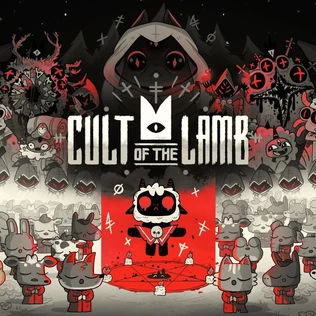
The Temple of the Beast
Corrupted sanctuaries scattered across the world where ancient faith twists into blood-soaked madness.
Temples of the Beast are corrupted, ancient sanctuaries scattered across diverse biomes—from dense forests to arid deserts and misty swamps—focal points for the dark rituals of the Beast's followers. Originally built to honor forgotten deities or powers in their respective regions, these structures were twisted by the Beast into places of blood sacrifice and madness, where the faithful gather to offer lives in exchange for strength and dominion over their specific lands.
- Location
- Multiple Biomes (Forest, Desert, Swamp, Mountain)
- Affiliation
- The Cult of the Beast
- State
- Corrupted / Active Strongholds
- Primary Function
- Site of Ritual Sacrifice and Worship per Region
- Key Threat
- Elite Guardians, Traps, and Biome-Specific Minibosses
Lore & Background
Within these hallowed yet profane halls across the world, the most zealous followers of the Beast perform their darkest rites, seeking to amplify their master's influence in every corner of the land. Each temple is heavily guarded by twisted creatures and traps unique to its biome, designed to test the resolve of intruders and ensure that only the worthy—or the foolish enough—can reach its inner sanctum. They serve as grim reminders of what happens when faith is hijacked by a malevolent force, turning places of potential peace into fortresses of fear that must be cleared individually to free their surrounding villages.
In Their Own Story
The air inside the Temple of the Beast tasted of copper and old dust. Shadows stretched unnaturally long across the stone floor, seeming to reach out for the traveler who dared to step beyond the threshold. In the center of the vast chamber, a massive altar pulsed with a sickly violet light, surrounded by statues that watched with hollow eyes. A low chant rose from the darkness, not spoken by lips but felt in the marrow of one's bones, urging the visitor to kneel and offer everything they held dear.
Reader's Guide
The Temple of the Beast represents the peak of corruption within the forest regions, acting as a major hub for the enemy forces. Players must navigate through layers of increasing difficulty, facing off against elite enemies that guard the inner chambers. This location is not just a combat arena but a narrative checkpoint, illustrating the depth of the Beast's influence. The environment is designed to feel oppressive and ancient, with visual cues indicating long-term neglect and dark ritualistic use. Conquering this temple is essential for progressing in the story, as it allows the Lamb to reclaim lost ground and weaken the Beast's hold on the world. It stands as a testament to the struggle between light and darkness.
Did You Know?
- The architecture of each Temple reflects a twisted version of traditional religious structures adapted to its specific biome, such as forests or deserts.
- Each temple serves as a primary location where elite enemies and unique mini-bosses are encountered by challengers.
- The atmosphere within these temples is designed to be more oppressive and darker than the standard areas of their respective biomes.
- Clearing a single temple only liberates its specific village; all temples across different biomes must be conquered individually to free the entire world from the Beast.
Origins and Authorship
The text known as the Book of Revelation, or Apocalypse, is the final volume of the New Testament canon. Its title derives from the opening Greek word *apokálypsis*, meaning a divine unveiling or revelation. The author identifies himself simply as John, traditionally called John of Patmos because he received these visions while exiled on an Aegean island. While early church fathers like Irenaeus linked him to John the Apostle, modern scholarship remains divided, with many viewing him as a distinct Jewish-Christian prophet operating within a specific community. The work is generally dated to approximately 95 AD during Emperor Domitian's reign. Consequently, the book represents a unique prophetic voice separate from other Johannine writings.
Literary Structure and Genre
This scripture uniquely blends three distinct literary forms: epistolary, apocalyptic, and prophetic. It opens as a letter addressed to seven specific churches in Asia Minor, offering exhortations directly attributed to Christ before transitioning into complex symbolic visions. The entire work functions as a prophecy intended for all these congregations, with the initial letters serving merely as an introduction to the broader revelation. John positions himself explicitly as a prophet, using that term more frequently than any other New Testament author. The narrative unfolds through vivid imagery, including a woman clothed in the sun and a dragon with seven heads, designed to unveil divine mysteries regarding the Second Coming of Jesus. This structure allows the text to function both as immediate pastoral guidance for early communities and as an eschatological roadmap for future generations.
Old Testament Foundations
The composition of Revelation is deeply rooted in Hebrew scripture, though it rarely quotes directly from the Old Testament. Instead, the author weaves together a dense collection of allusions and echoes, drawing heavily from books such as Daniel, Ezekiel, Isaiah, Psalms, and Zechariah. Scholars note that Daniel provides the largest proportional number of references, while Ezekiel exerts the most significant influence on the text's imagery and structure. Because these connections are often subtle rather than explicit citations, determining whether John utilized Hebrew or Greek versions of the scriptures remains a subject of debate, though Greek influence is evident. This reliance on older texts allows the author to reinterpret ancient prophecies through a new lens, creating a work that feels both familiar to Jewish readers and revolutionary in its Christian application.
Historical Context and Purpose
Modern biblical scholarship largely interprets Revelation as a first-century message aimed at encouraging Christians facing pressure from Roman imperial culture. While traditional views suggest the book was written during systematic persecution under Emperor Domitian, contemporary historians argue that such widespread oppression may not have existed in that era. Instead, the text likely addresses an internal conflict within Asian Minor communities regarding whether to assimilate into or withdraw from the dominant non-Christian society. The author chastises those seeking accommodation with the Roman state while offering hope to those suffering real penalties for their defiance. By presenting a vision of ultimate victory over earthly powers, the book provides spiritual comfort and resilience against the existential threats posed by the wider world.
Frequently Asked Questions
What is The Temple of the Beast?
This location is a corrupted ancient sanctuary hidden deep within the World's Forests that serves as a stronghold for the Beast's followers. Originally dedicated to a forgotten power, it was twisted into a site for dark rituals and blood sacrifice.
Where is this Temple located in the game world?
The structure lies deep within the dense and treacherous areas of the World's Forests. It acts as a central gathering point where the Cult of the Beast conducts their worship.
What is the primary function of this sanctuary?
Faithful followers use this site to offer lives in exchange for strength and dominion over the land. It represents how ancient faith has been warped into blood-soaked madness under the Beast's influence.
What threats do explorers face inside?
Visitors must navigate past elite guardians and deadly traps that protect this corrupted sanctuary. These dangers are specifically placed to defend the stronghold against anyone opposing the Cult.
How did the Temple fall under the Beast's control?
While originally built to honor a deity, the Beast twisted its purpose into one of sacrifice and madness. This corruption transformed it from a place of devotion into an active stronghold for dark worship.